
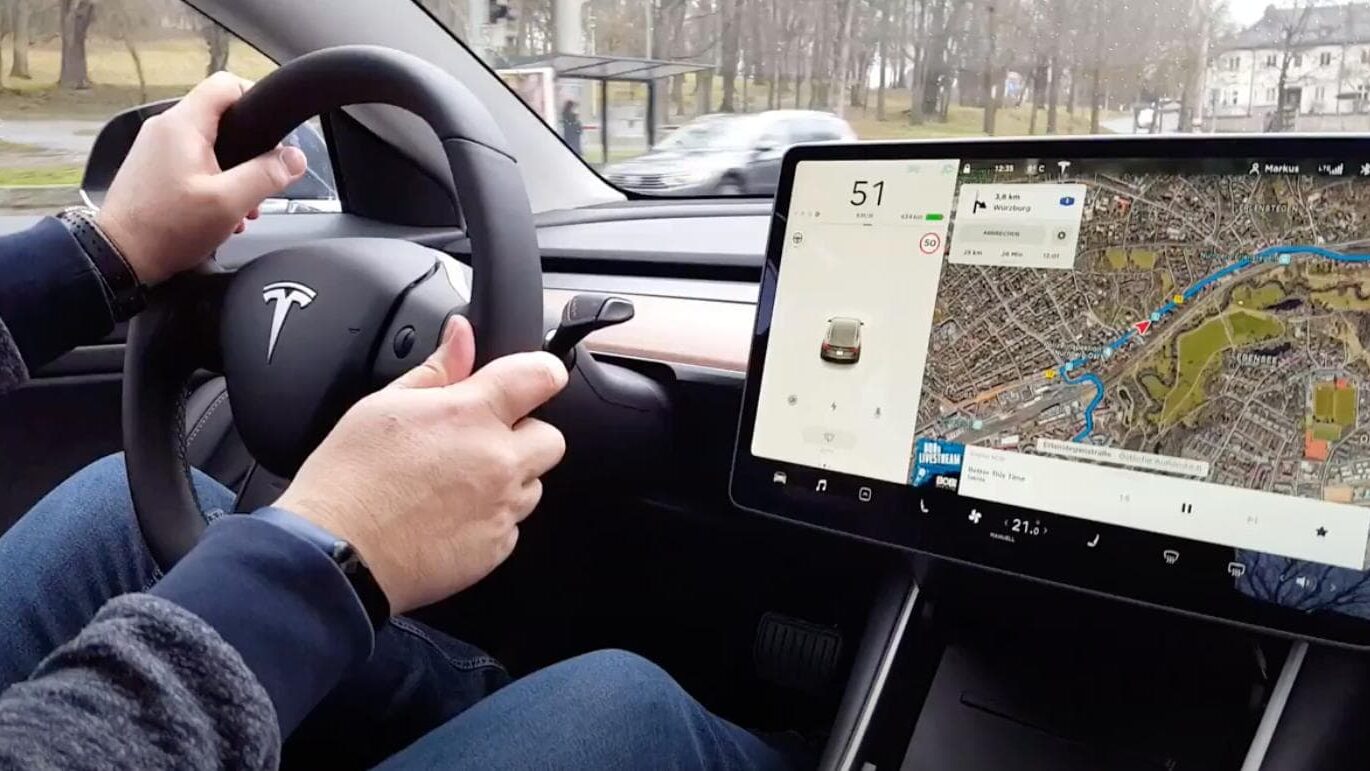
Time flies! On 7 December 2019, I ordered a Tesla Model 3 LR online. That alone was a completely different experience. You order a car from Tesla like you order a pair of trainers from Amazon.
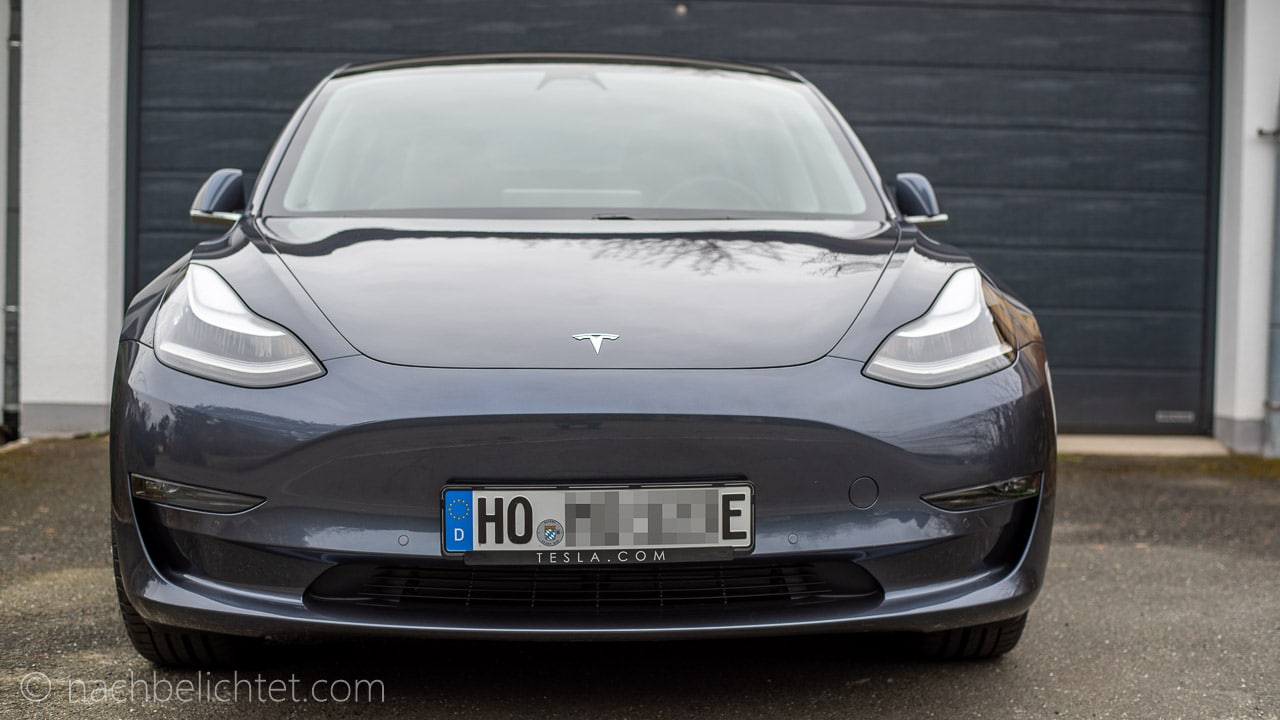
At the beginning of March 2020, I was able to pick up the new vehicle in Nuremberg and then …
… first came the lockdown.
I don’t need to tell anyone what that meant – we all experienced it. I was permanently working from home. There was nowhere to go. No long journeys. No short holidays. Nothing at all. That’s why my Tesla only has 42,000 kilometres on the clock today.
I didn’t really need a car during the two years of the coronavirus crisis. Nevertheless, I was hooked on e-mobility. The driving experience is great and it was and is simply fun to drive the electric car – even though I was never a big car fan.
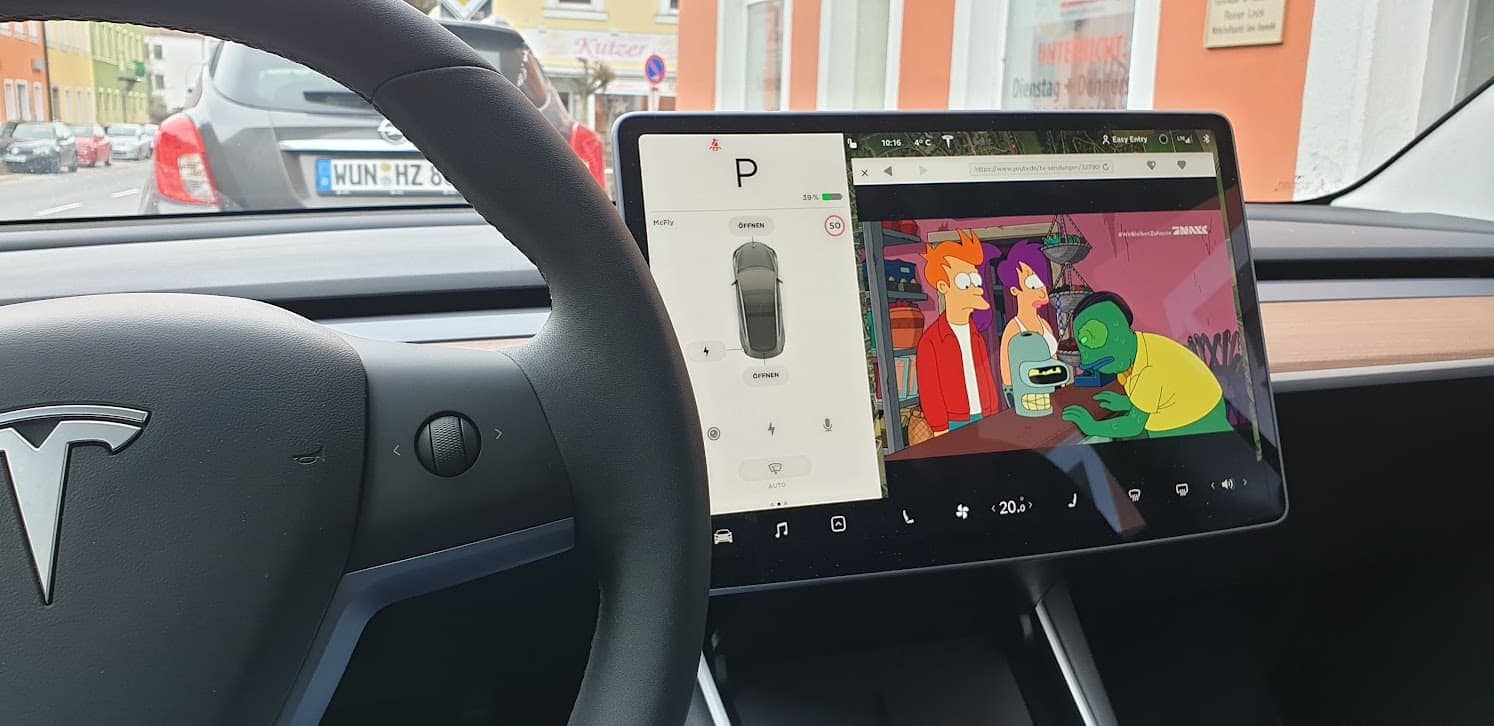
Things like the auxiliary heating or cooling, good entertainment on the huge display, etc., are simply practical and enjoyable.
At that time, there was no war in Ukraine and energy prices were normal. I charged 99% of the time at home on my wallbox, for 28 cents/kWh. With an average consumption of 19.2 kWh/100 km, the kilometre driven cost around 5.5 cents, if you include the charging loss.
Service and repairs
In the past 4 years, I have had to order a Tesla Ranger twice because a cover in the interior rattled and there was a recall because of the boot lid. It worked perfectly – once at my home and once in the company car park.
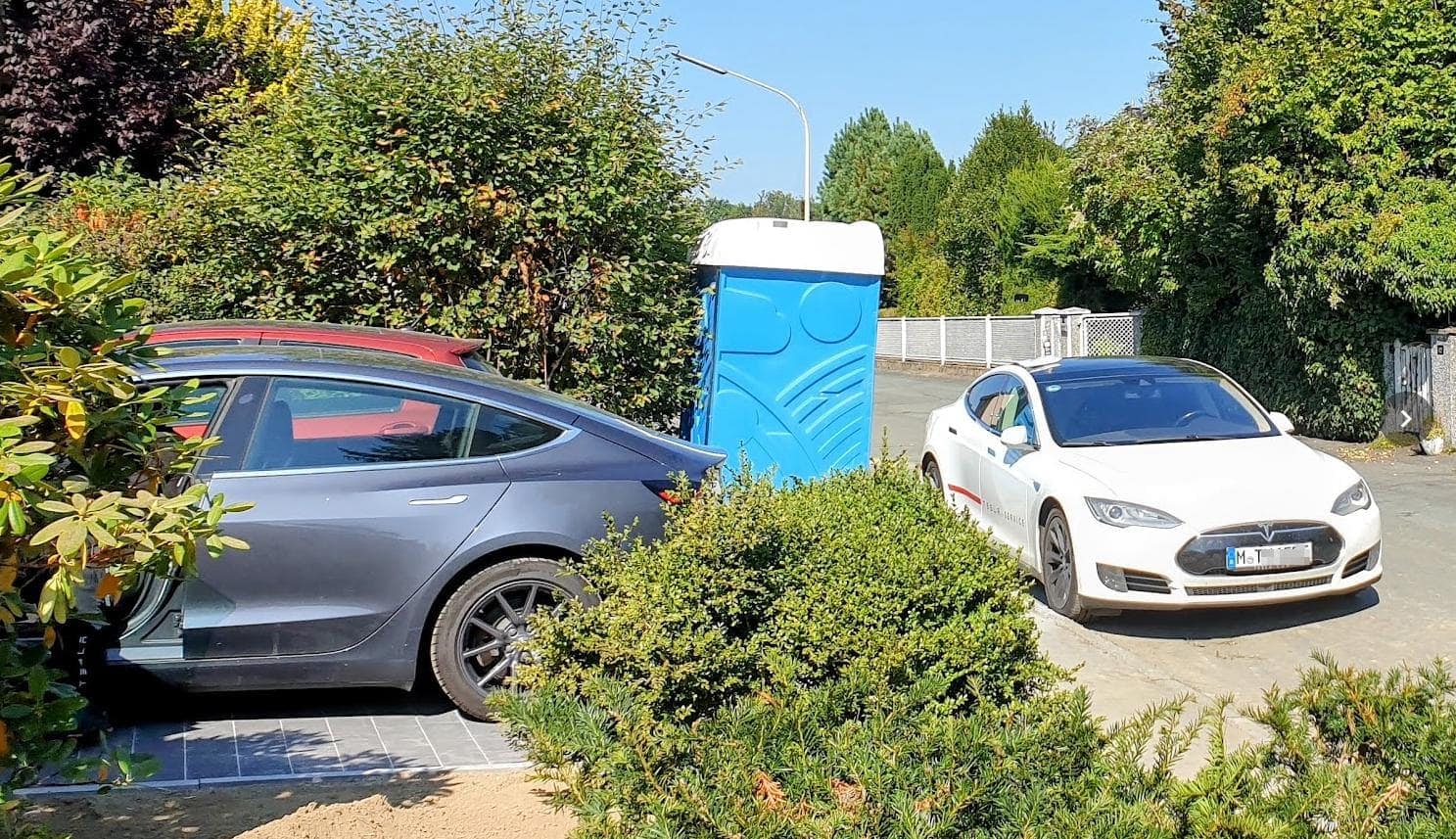
In September 2022, I had to go to the Tesla Service Centre in Nuremberg because a wheel suspension cracked. This was a known serial defect and was under warranty. In the meantime, we went shopping in Nuremberg, had a nice meal and after 4 hours the car was ready and fully charged in front of the service centre. The guys there checked everything straight away.
The first MOT last year was without any defects. However, the car doctor I trust – a small, first-class workshop here in town – had previously changed the front brake discs and pads as they were deeply scored. This is a problem with electric cars because you don’t have to brake much. Cost of the discs and pads incl. installation: 340 euros.
I also had two cabin air filters for €12, which you can easily change yourself. That’s it so far. No further repairs, abnormalities or customer service appointments. I still have the first set of summer and winter tyres and they are still good.
Charging, degradation and range anxiety
The killer argument of many people who have never driven an electric car is the supposedly short range. You have to get from Hamburg to Milan non-stop without having to pee, otherwise it’s nothing. I’ll spare you that discussion here.
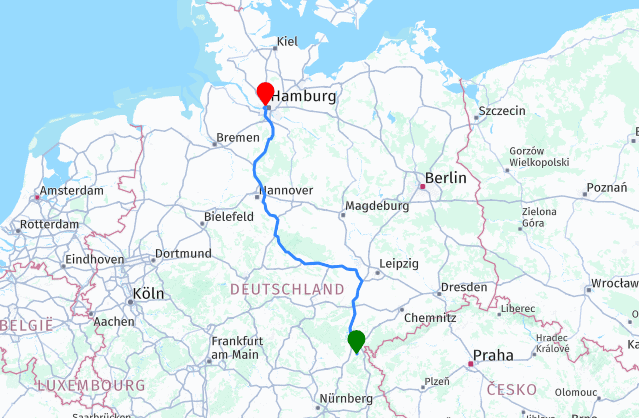
You don’t have to worry about getting from A to B, even if A is Upper Franconia at -2 degrees and B is Hamburg at 5 degrees. 540 km in total. 1 charging stop. Cost of the one-way journey €22.50.
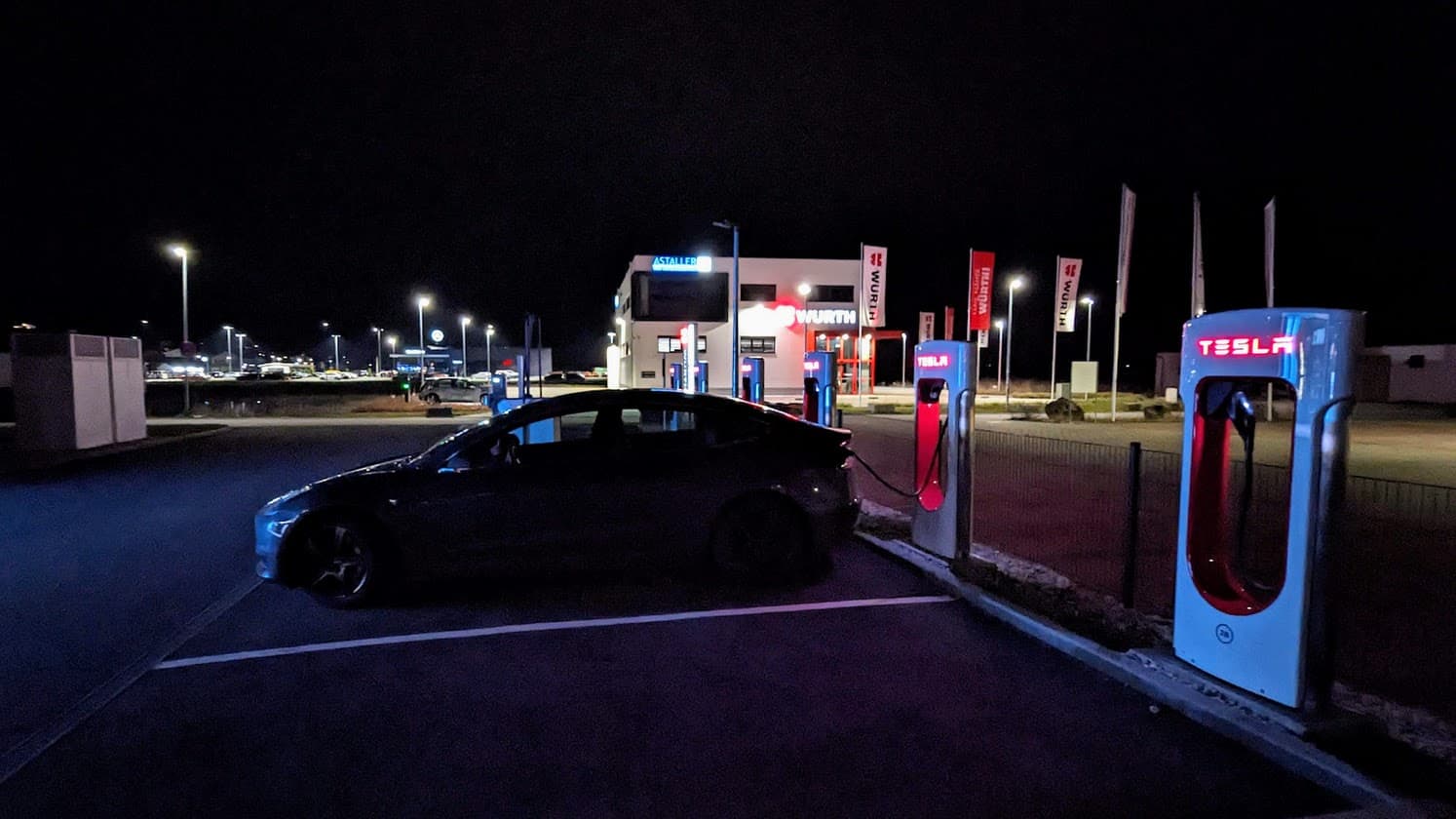
Charging at the Tesla Superchargers is easy and there are plenty of them. If there is no Tesla Supercharger, you can fall back on any number of other providers. There are more than enough charging options on the road. However, you also have to realise that charging is often still unnecessarily complicated with many providers. In four years, I’ve only had to wait a few minutes at a Supercharger once, as all the stalls were full and the next Supercharger was closed.
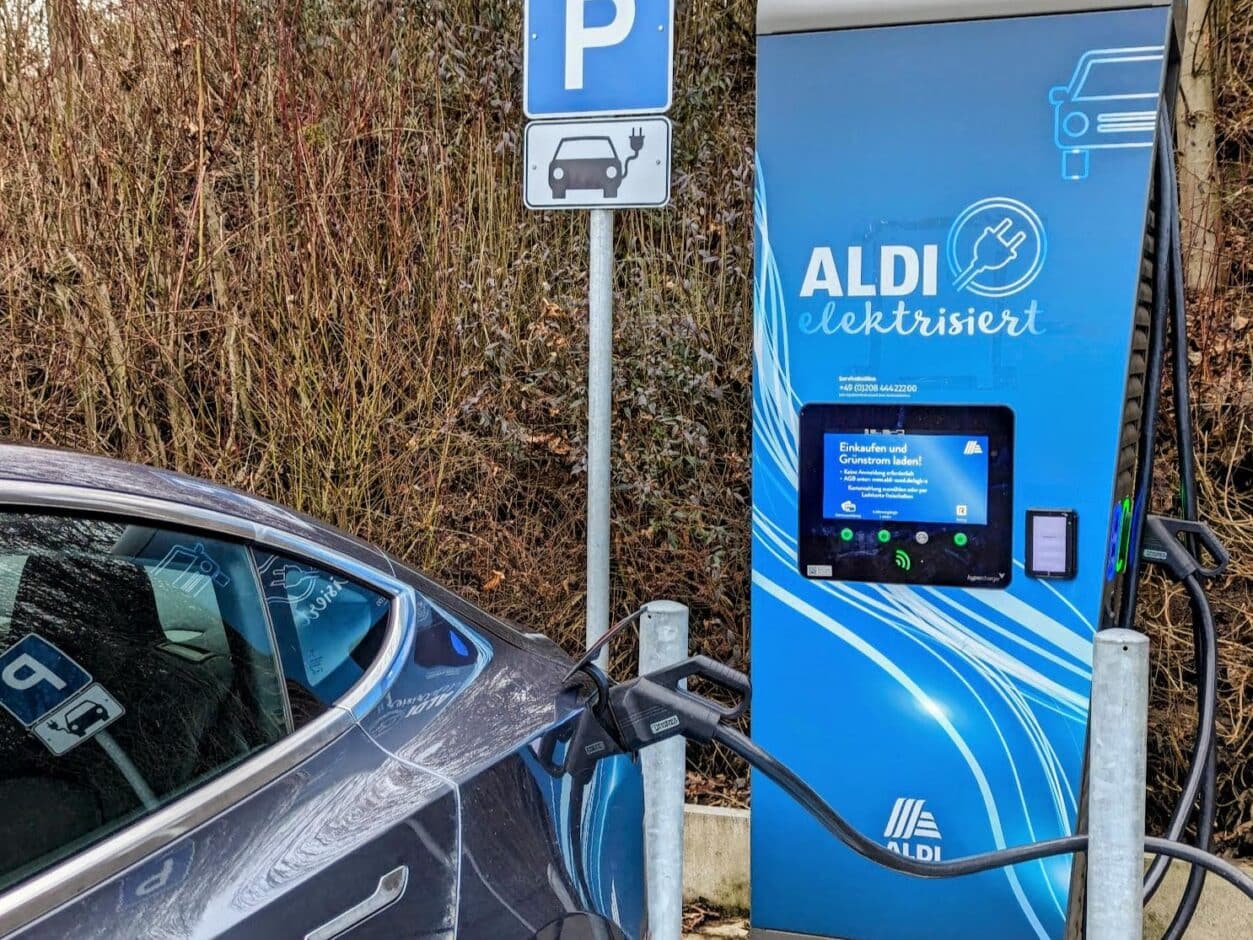
By the way, charging is excellent at Aldi (Süd), Lidl & Co: Hold a debit or credit card in front of you. Plug it in. That’s it. No registration, no app and at Aldi Süd, at the DC fast charger for a fair 39 ct/kWh. 20 minutes of shopping and you have 80% more charge.
In 4 years, I’ve never had range anxiety and have got everywhere I wanted to go on time. What’s more, shopping centres with Superchargers or charging stations always have great parking options.
The next argument against the electric car is always the battery. What if it’s faulty and after a year you only have half the range anyway? Since shortly after I bought it, I’ve also been using Tronity, which analyses all my journeys and charges.
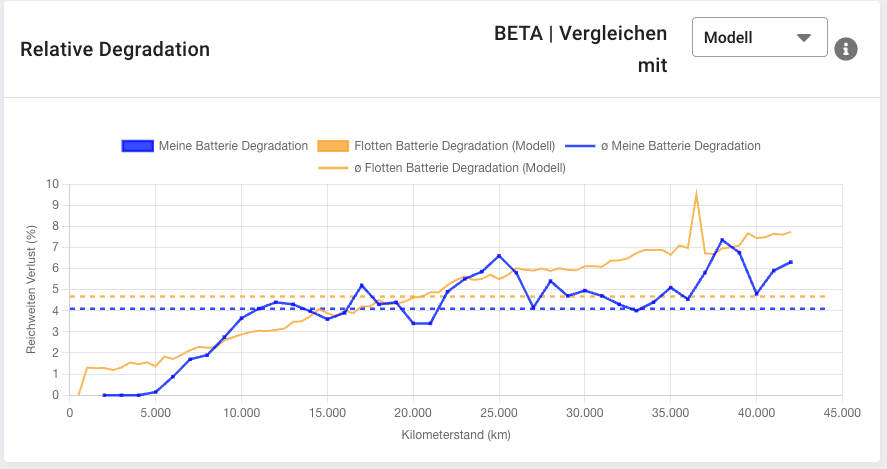
Tesla offers an 8-year (or 192,000 km) warranty on the battery. It is considered defective if it has less than 70 % capacity.
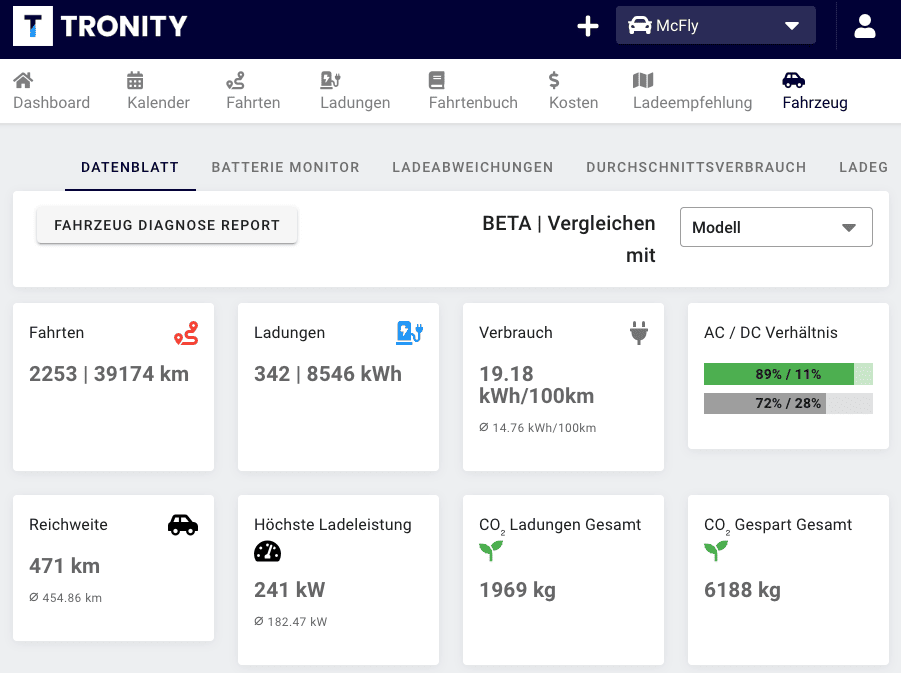
According to Tronity, my battery has lost around 4% of its capacity over the 4 years. A ridiculously low value.
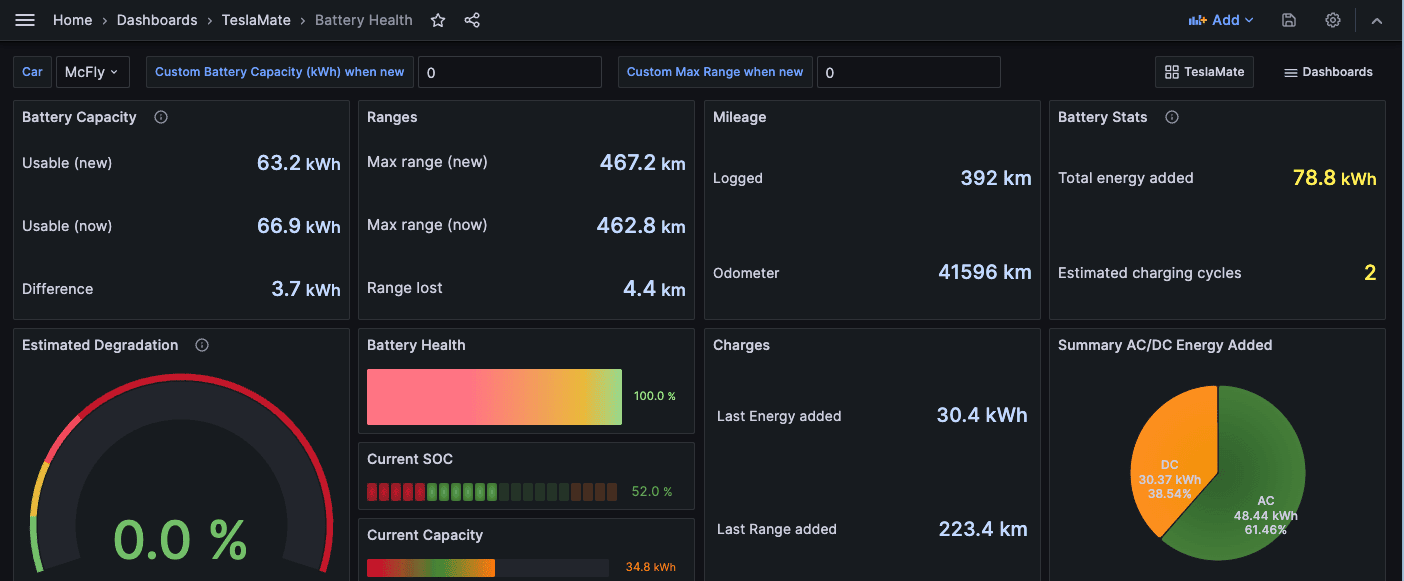
Teslamate, which runs on my home server, comes to a similar conclusion. Again, there is hardly any evidence of range loss.
The area where I live is often referred to as “Bavarian Siberia”. It gets very cold here often and for a long time. -10 and -20 degrees are not uncommon and of course the range drops here when the battery is very cold. At the same time, more electricity is consumed for electric heating, battery conditioning, etc.
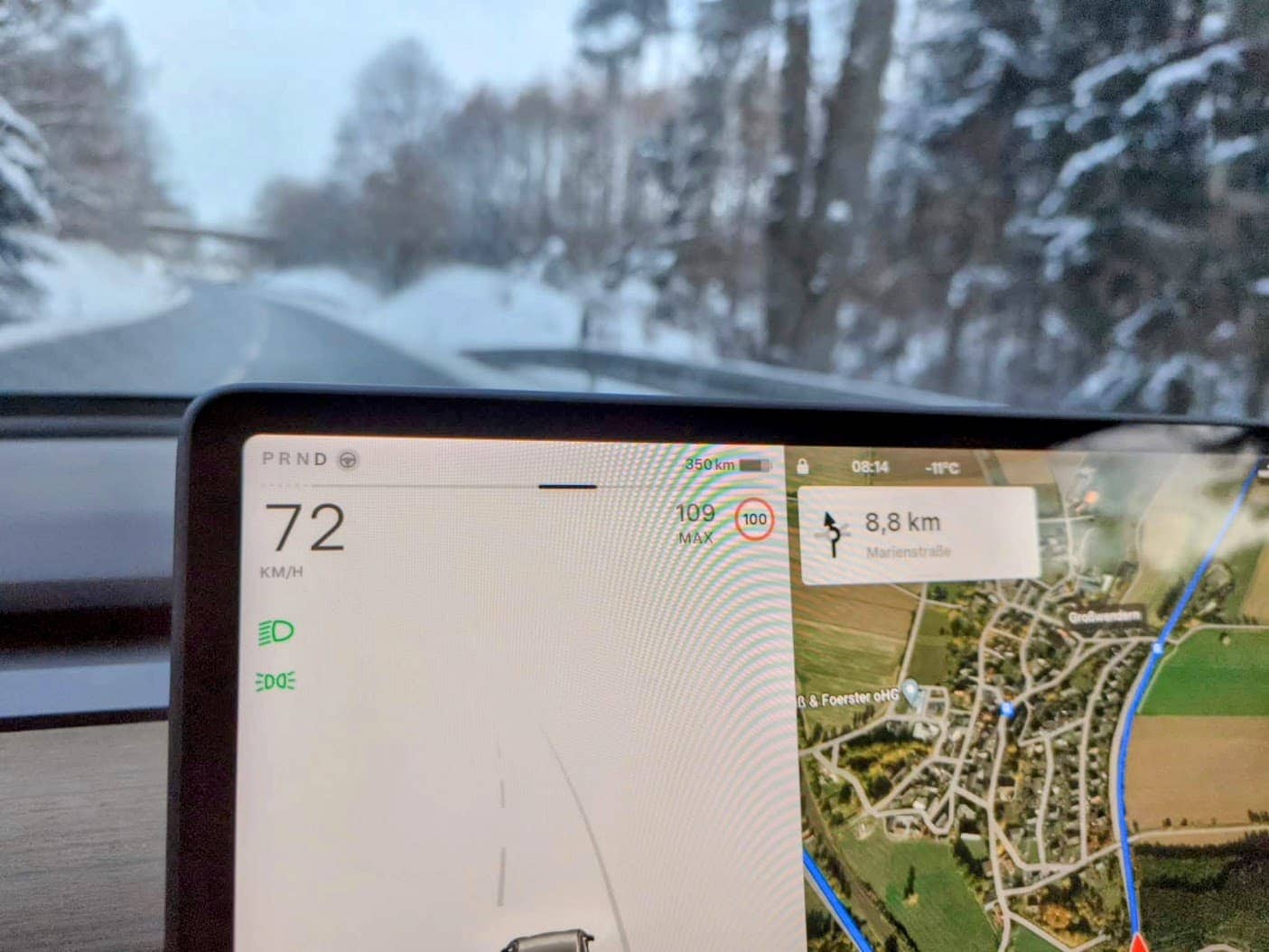
The average consumption then rises from 19 kWh/100 km to 30 kWh and you have to charge more frequently. But even that has never been a problem so far.
The all-wheel drive with the two motors is better than the famously excellent AWD of my Subaru Outback, which I had before the Tesla. It’s also very useful here, because we still have snow and ice.
E-car charging with photovoltaics
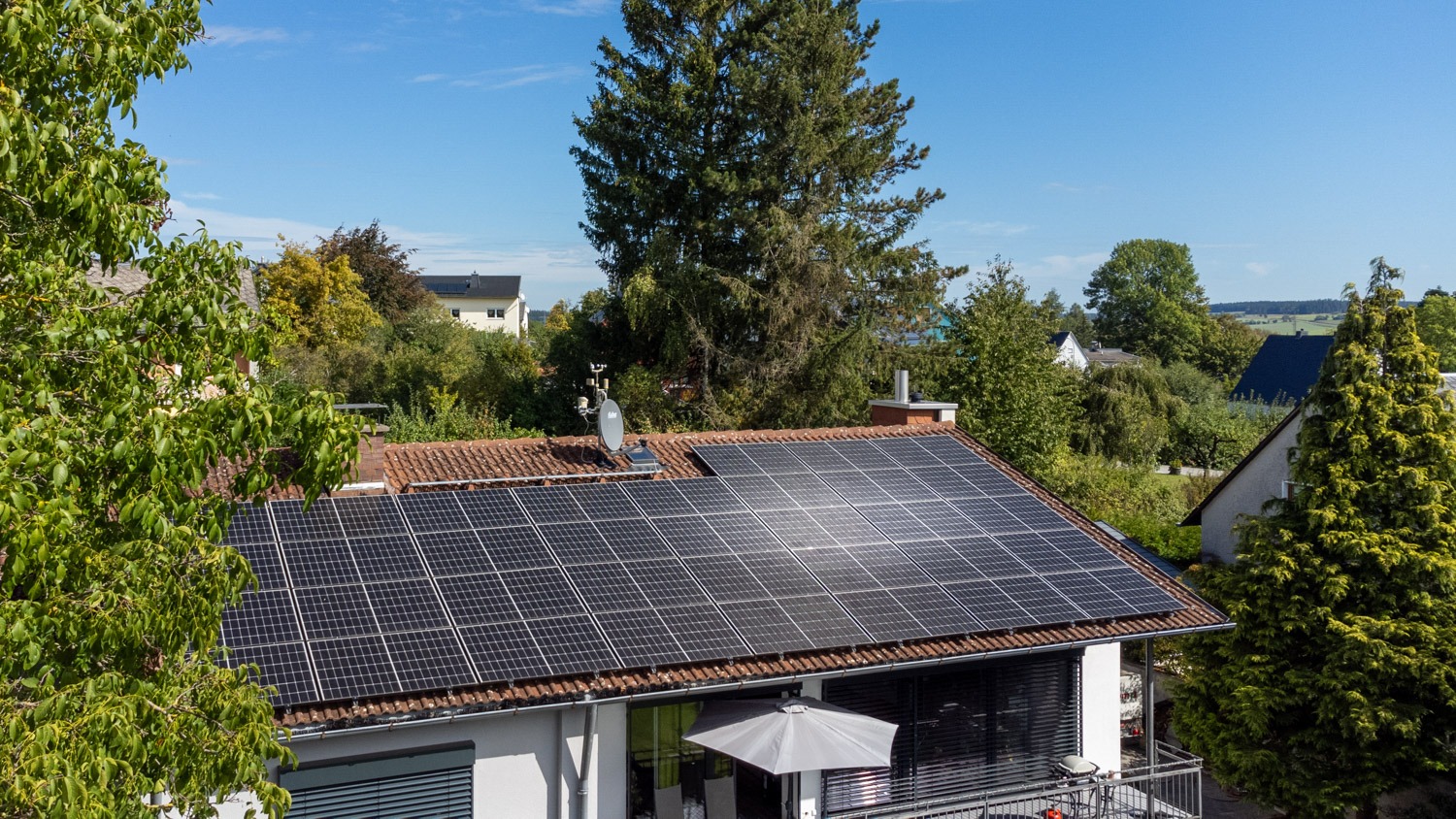
We got our PV system in April 2013 and since then we’ve been able to charge the Tesla with PV electricity we’ve produced ourselves, which works perfectly from April to the beginning of November.
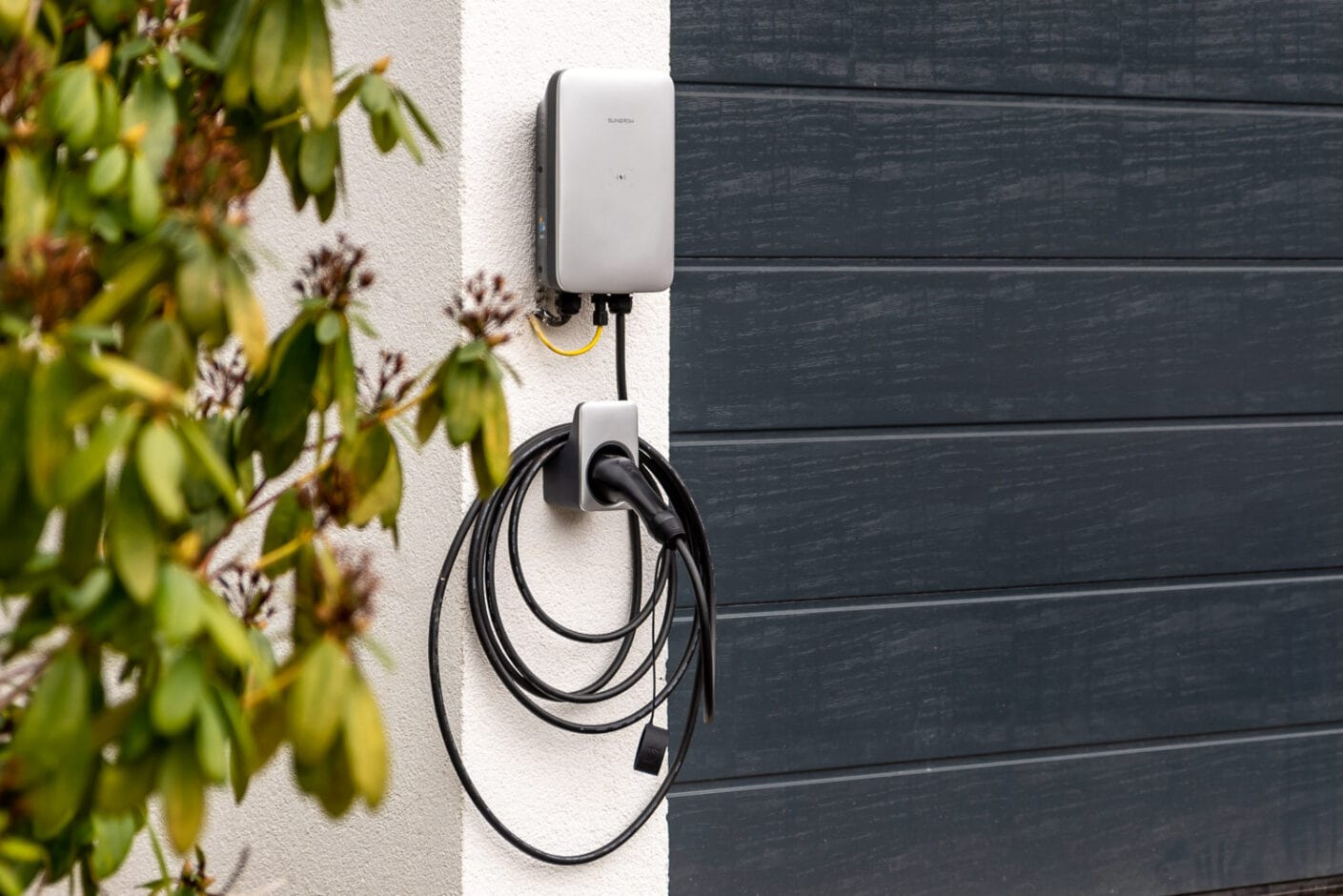
Thanks to the yield-controlled charging function of our Sungrow inverter and the Sungrow AC charger (wallbox), I never had to charge from the grid during this period. Of course, I have the luxury of often being able to work from home and charge when the sun is shining.
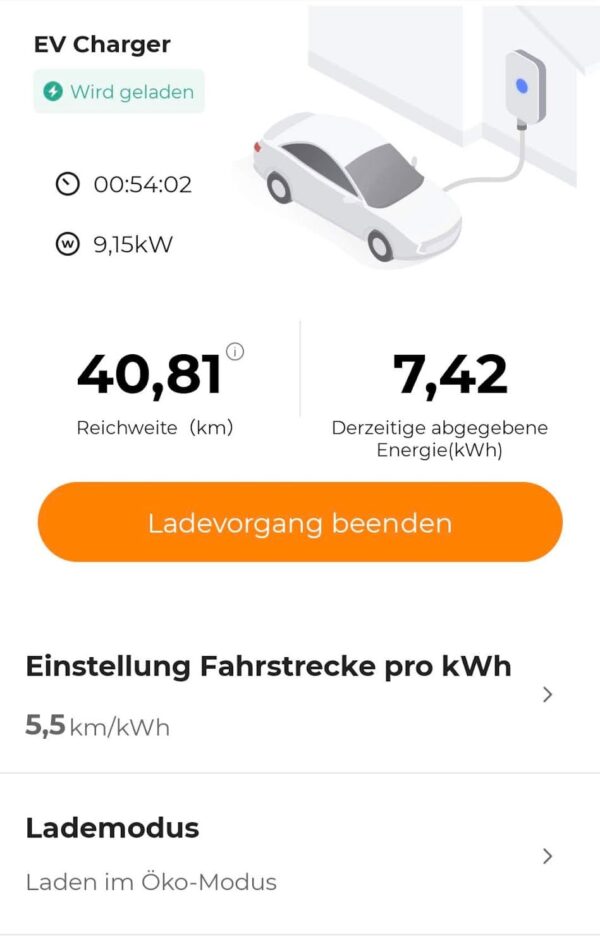
Leaving aside the investment costs for the system, a kilowatt hour of PV electricity costs 8 cents – namely the 8 cents that are not fed into the grid and therefore not remunerated. a range of 100 kilometres then only costs €1.50.
Even in January and February, I was able to charge a few kilowatt hours into the car and didn’t have to sell them for the ridiculous feed-in tariff, as the 16 kWh storage unit was already full.
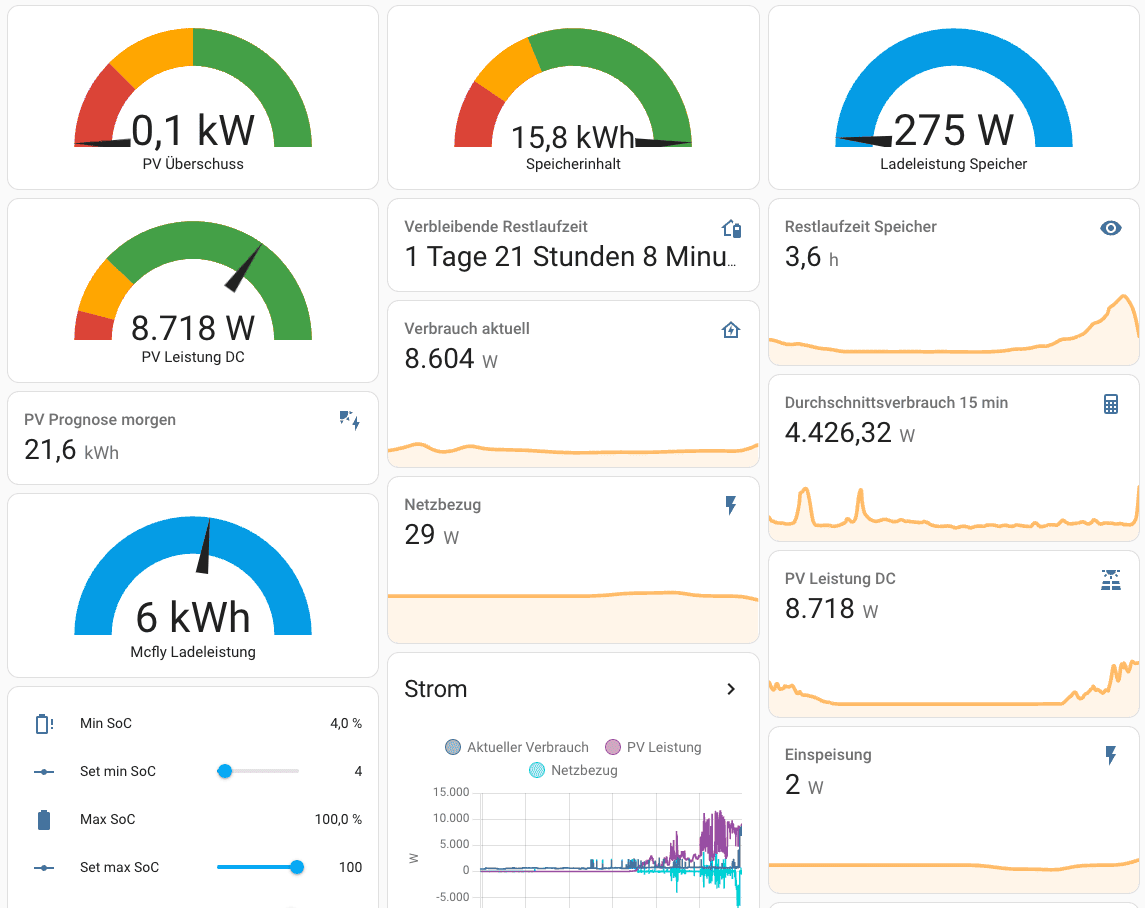
Yes – once again, this doesn’t include the purchase of the PV system so far.
My Home Assistant installation reminds me that there is an abundance of electricity and that the car could be charged, and when I enter the geofence area of the garage with the Tesla, Home Assistant automatically opens the garage door. Gimmicks that are easy to do with the Tesla’s functions.
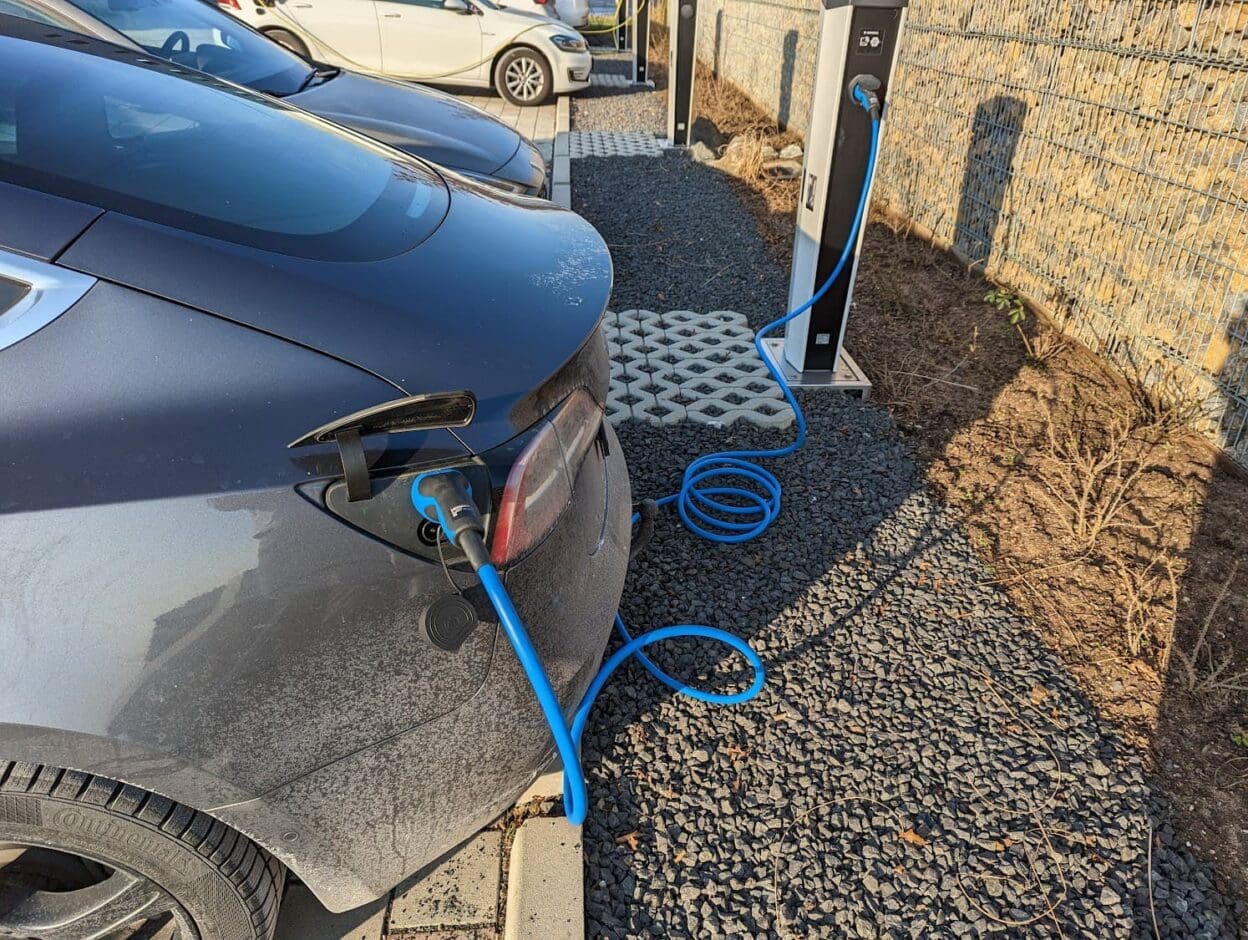
in 2023, I charged a total of 3089 kWh. Of which 79% AC (mostly at home) and 21% DC. That cost a total of €485. On average, the kilowatt hour cost 15.7 cents. This included free charging, such as at Musikhaus Thomann, but also DC prices of 89 cents.
The GHG quota has also brought in over €600 in rebates so far. That means I drove practically free of charge in 2023. Car insurance for the Tesla costs just €396 with HUK24 (SF34, fully comprehensive, €500 excess, TK €150, paid annually). So much for the fact that e-cars would be significantly more expensive for car insurance. The Subaru diesel cost just under €600.

- Der go-e Charger Gemini flex macht Elektromobilität für dich noch komfortabler, als Wallbox zuhause, unterwegs als flexible Ladestation, zum Anschluss an dreiphasige 400/415 V, mit optionalem Adapterkabel an jede 230/240 V Haushaltssteckdose
- Sichere Verwendung im Außenbereich durch Schutz gegen Strahlwasser, integriertes FI-Schutzmodul mit Gleichstromerkennung, Ladekabelverriegelung, RFID-Zugangskontrolle für bis zu 10 Nutzer
- Integrierte Typ 2 Dose zum Laden aller in der EU zugelassenen Elektroautos oder Plug-In-Hybride, mit bis zu 16 A Ladestrom (1,4 bis 11 kW), Typ 2 Ladekabel oder Typ 1 auf Typ 2 Adapterkabel

- 【Dickere Kabel! Sicher und effizient】 Die Tera 22-kW-Wallbox mit APP hat die Produktqualität verbessert und die Ladekabel wurden komplett verstärkt, um einen maximalen Strom von 32A zu unterstützen! Falls Sie einen 16A-Strom verwenden? Keine Sorge! Das aktuelle Produkt kann problemlos auf eine Leistung von 16A 11 kW umgeschaltet werden, was noch sicherer ist!
- 【Integrierter Fehlerstromschutzschalter und externer Typ A Leitungsschutzschalter】 Die Tera Wallbox ist mit einem integrierten DC6mA-Fehlerstromschutz und einem externen Typ A Leitungsschutzschalter ausgestattet, die eine Vielzahl von Leckstromsituationen (einschließlich Gleich- und Wechselstromleckströmen) bewältigen können. Eine solche Schutzeinrichtung kann die Sicherheit des elektrischen Systems des Produkts erhöhen und das Risiko von Stromschlägen oder Bränden verringern.
- 【Neuestes Update!】Alle 𝐏𝐫𝐨𝐝𝐮𝐤𝐭𝐳𝐞𝐫𝐭𝐢𝐟𝐢𝐤𝐚𝐭𝐞 vorhanden! Die deutsche Bedienungsanleitung wird mit dem Produkt mitgeliefert. Wenn Sie Hilfe benötigen, können Sie uns gerne fragen! 【Lieferumfang】 1x Tera W01 22KW 32A CEE Stecker EV-Ladegerät mit 7m Kabel Typ 2 Ladeanschluss, 1x Montagevorlage, 1x Satz Montageschrauben, 1x Deutsches & Englisches Benutzerhandbuch.

- Premium-Konstruktion: Hergestellt aus PC für Langlebigkeit mit dezentem Kohlefaser-Akzent
- Multifunktionalität: lässt sich ein- und ausschieben, um das Tablett zu verstecken oder auf die untere Konsole zuzugreifen
- Einfache Installation: Passgenaue Frontkonsole für eine schnelle und einfache Installation

- Der Wandanschluss ist Teslas bequemste Ladelösung für Tesla und Nicht-Tesla-Elektrofahrzeuge. Das leichte Design ermöglicht eine vielseitige Montage im Innen- oder Außenbereich, die sich an eine Reihe von elektrischen Systemen anpasst. Entwickelt für Häuser, Wohnungen, Gastgewerbe und Arbeitsplätze.
- Kompatibel mit jedem Typ-2-Ladeanschluss
- Planen, verwalten und verfolgen Sie das Aufladen über die Tesla-App

- Kein Werkzeug oder Demontage erforderlich: Entwickelt für Tesla Model Y, passt perfekt unter die Mitteleinheit. Keine Notwendigkeit, das Fahrzeug zu wechseln. Einfach die Hub einstellen und fixieren, den 12-V-Zigarettenanzünder anschließen und fertig.
- Einfacher Zugang – Nach der Suche nach Produkten auf dem Markt übernehmen wir den Druckschalter, der der Intuition des Benutzers entspricht und das Herausnehmen von Dingen viel einfacher macht.
- Kalte Getränke für alle: Wir verwenden ein zweistufiges stoßdämpfendes Reißverschluss-Design. Die Passagiere haben Zugang zu Speisen oder Getränken, sobald sich die Kühlschranktür öffnet, und die hinteren Passagiere können die zweite Stufe betreten, wenn die Tür geöffnet ist.
Annoying, autonomous driving and Elon Musk
Of course, the Tesla isn’t perfect. I always wonder why they’re working so hard on autonomous driving, but can’t manage a decent automatic windscreen wiper system and rain detection. According to this article, this is supposed to get much better soon, but it’s annoying. The same applies to the high beam assistant, which is simply unusable. Both worked perfectly in my Subaru Outback.
The wind noise could be a little lower, but this is already much better in the new models and I wouldn’t mind Amazon Music and Carplay or better user guidance for Spotify. But that’s about it. Oh yes: why don’t you have bend lighting when there is matrix lighting installed that can even be used to create impressive light shows including logo projections?
On the other hand, you get regular software updates that include new functions or improve existing ones.
I didn’t order an FSD at the time and that was a good thing. Right from the start, I didn’t believe that truly autonomous driving would soon work and be approved. As things stand today, we are still a long way from that. I think the complexity is so high that it won’t happen in the next 5-10 years – at least not level 4 or even level 5.
How is autonomous driving supposed to work if the many cameras in the Tesla don’t even have a cleaning function? This article is also interesting:
“Have underestimated complexity”
Dream of autonomous driving probably shattered for now
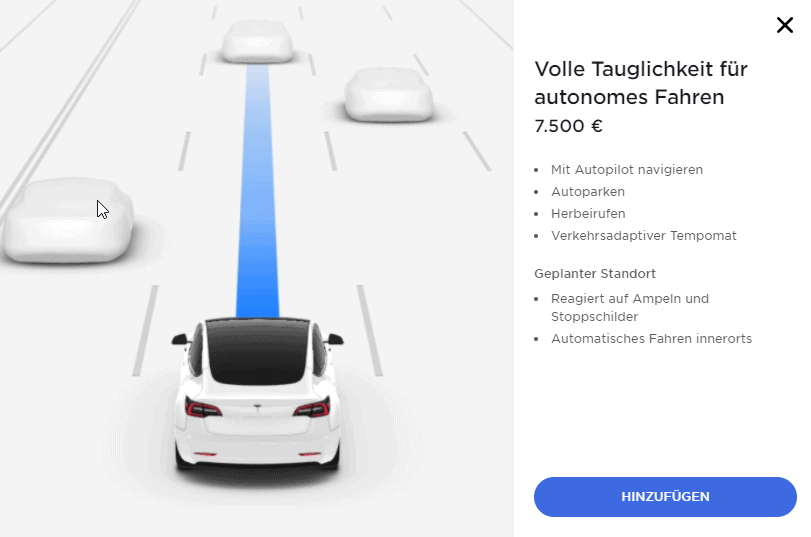
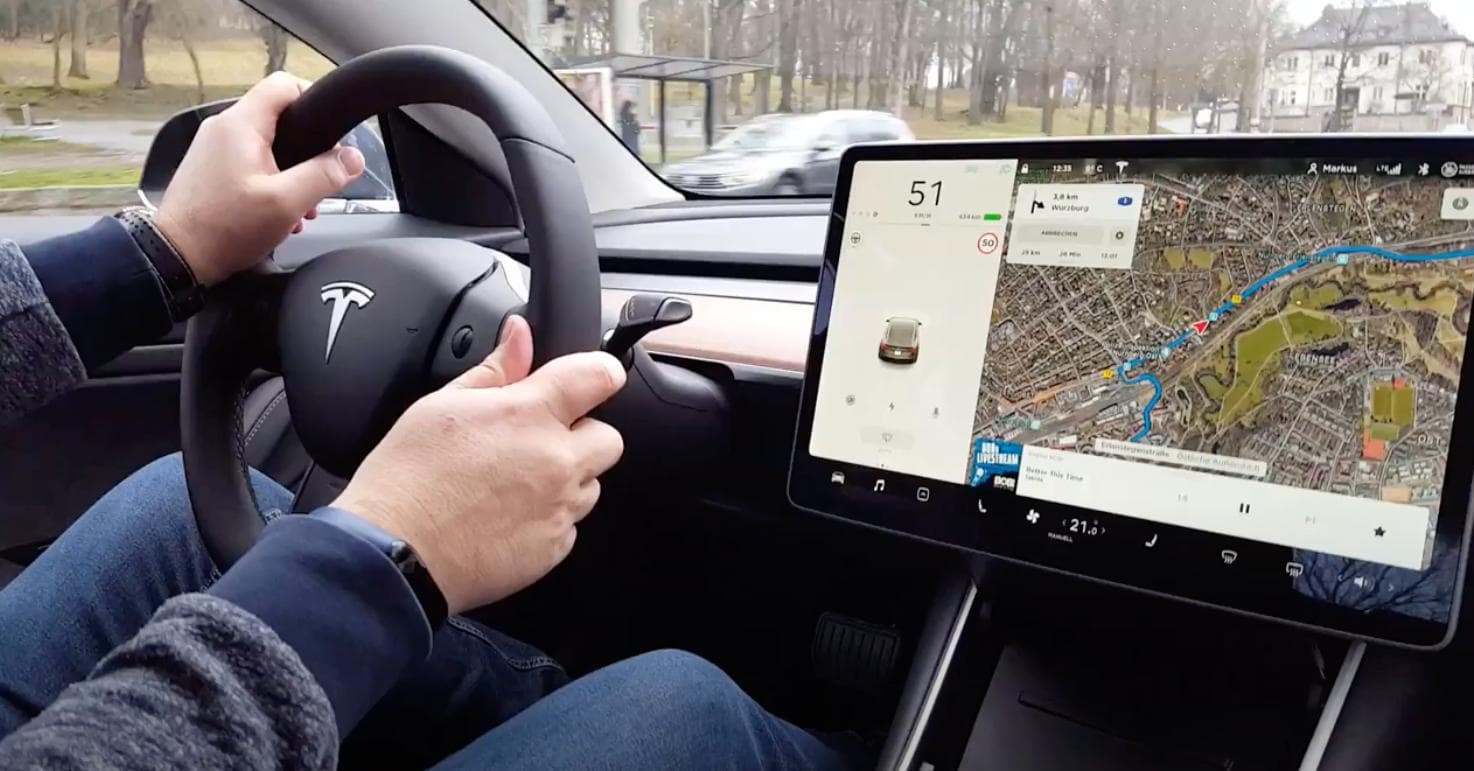
The steering assistant works – but I rarely use it because I’m mostly travelling on country roads. I’ve only ever had a phantom braking manoeuvre once in a non-critical situation. However, it feels like autonomous driving is still a long way off for Tesla – even if various videos like to show the opposite. At a town sign, the car doesn’t slow down slowly beforehand, but instead ploughs into it at 100 km/h. It gets confused on roads without markings, and there are plenty of them on my route to work. It’s not cool when you’re driving in the middle of the road.
Let’s talk about Elon Musk: Lacking the fan gene, I’ve never been a Musk fan and have also always been sceptical about his “genius”. I’m also not interested in celebrities of any kind, actors or what musicians do in their private lives. With my Subaru, I also didn’t care who ran the company. However, the guy is becoming more and more of a problem and this is now colouring the brand negatively.
However, I have never bought a product because of its image, but because I liked it and it met my requirements. The same applies to the Tesla Model 3 LR.
Would I buy an electric car and a Tesla again?
I can’t imagine driving a combustion engine again. My experience with the Tesla is too good. I would also buy a Tesla again. However, there are more and more Chinese manufacturers that are also very interesting and cheaper.
I will definitely keep the Tesla for another 1-2 years and by then there will probably be a lot more choice. China is fully committed to e-mobility. As always, the Germans find more arguments against it than in favour of it. After all, nothing is as painful as giving up a false conviction and if nothing helps, then the child labour club for cobalt is brought out.
What? Cobalt is also used for the desulphurisation of diesel and paraffin in refineries, is in car tyres, crankshafts, connecting rods, camshafts, valve seat rings and smartphones? Never mind: electric car = shit and evil – and I have to travel from Hamburg to Milan three times a week without a break and have a bladder made of steel.
Of course, an electric car is currently not for lamppost parkers or for stressed sales representatives who drive 500 kilometres a day. However, as battery development progresses, this will also be solved. Higher capacities per unit of weight and faster charging will make a separate charging facility superfluous.
I have given up discussing this, because it is hardly possible today. Once an opinion has become entrenched, the internet also helps to find the right argument for the opinion. It’s called cherry-picking.
For me, it’s real experience over 4 years and the conclusion is: Yes, I’m staying with the electric car and I’m happy every time I get in. I’ve had less than €400 in service costs, charge very cheaply, pay no road tax and with the previous GHG quota, I’ve received over €600 in rebates. Our Toyota Yaris Hybrid will also be replaced by an electric car in the foreseeable future.
Letzte Aktualisierung am 2026-06-11 / Affiliate Links / Bilder von der Amazon Product Advertising API
Leave a Reply